

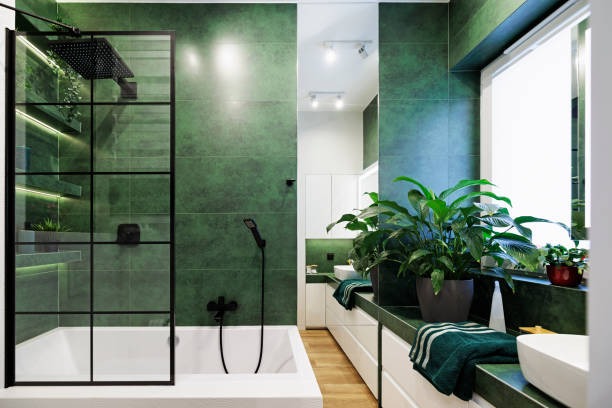
Inkjet printing enables stunning tile patterns that replicate the beauty of natural materials. Whether it’s the natural knots of all our wood-effect collections or the textural contaminations and realistic veining of stone-effect tiles, this technology delivers uncanny realism.
Textural elements are a key design trend of 2025. Whether crafted into the surface or added through mosaics, fluted backsplashes and zellige walls help neutral spaces feel layered and dynamic.
Inkjet printing
Inkjet printing is a non-contact process that allows for the printing of detailed images onto tile surfaces. It has become increasingly popular in recent years due to its ability to offer higher image definition than traditional methods of tile decoration.
While it is possible to achieve high resolutions with inkjet printers, the physical properties of a ceramic tile surface can impact how sharp or clear the resulting print is. For example, the porosity of a tile can influence how well ink adheres to it. This can affect how clearly the ink is seen, and can even cause the image to appear pixelated when viewed close-up.
This is a drawback of inkjet printing, but it’s also a benefit: because it’s a digital process, there’s less need to worry about images repeating too often, or being too large (which can be an issue with rotocolor and custom screen printing). Unlike sublimation, which only works on white or lighter tiles, inkjet printing can be used on darker glazes as well. MSI has taken this technology to the next level with TekTile, our line of porcelain tile with the look of linen.
Wood-look porcelain tile
Wood-look porcelain tile offers the aesthetics of natural gach gia go 15×90 hardwood floors with durable, water-resistant characteristics. “It’s great for high traffic areas like entryways, hallways and mudrooms, as well as commercial spaces,” says Corona. “The wood-look tiles are very durable and easy to maintain. And the selection includes a wide range of textures, on-trend tones and color variations.”
Stone-look tile echoes organic elegance and artisan craftsmanship. It’s a practical choice for today’s living spaces that blur the lines between indoors and out. Grip-finish options offer enhanced slip-resistance for exterior patios and balconies, while matte finish choices bring restorative qualities of natural materials inside.
When selecting a wood-look tile, homeowners should consider their wear and tear needs as well as style preferences, says Corona. Then, consider installation concerns, such as budget and labor. She recommends hiring a professional installer. It’s important to get the look right, as installing a ceramic or porcelain tile that looks like wood requires a different skill set than installing standard wall and floor tile. For example, proper tile cutting and grouting are essential to a successful project.
Stone-look ceramic tile
Porcelain stone-look tile offers a rock-solid solution for your flooring that captures the traces of time and nature. They re-create the grainy and rugged texture, veins and hues of natural stone to offer you a true sense of the material from which they were inspired.
Ceramic is a hygienic material that prevents the growth of bacteria, making it a good choice for environments in which hygiene is essential. It is also waterproof, insulating, non-absorbent and easy to clean. Unlike other floor materials, porcelain tiles can resist scratches and are slip resistant, making them perfect for high-traffic areas.
In addition, unlike natural stone, glazed ceramic tile doesn’t need to be sealed to protect it from staining. Stains don’t penetrate the surface and are easily removed with a damp mop or cloth. The glazed finish on ceramic tiles makes them resistant to chemicals, allowing you to use any type of cleaning product. This versatility and resistance make them ideal for bathrooms, kitchens and even terraces. It’s easy to see why ceramic is one of the most popular tile flooring options available today.
Glazed tile designs
MSI’s wood-look tile collection embraces the natural beauty of real hardwood while enhancing its performance through state-of-the-art production techniques. These methods ensure that we don’t simply replicate the material, butrather evolve it into a surface that seamlessly blends tradition and innovation.
Glazed tiles are coated with liquid glass that is baked into the tile’s surface, forming a hard, non-porous layer that resists stains. The multitude of aesthetic options glazed tiles offer—from intricate printed designs to unique textures and colors—make them an excellent choice for nearly any interior design style.
These characteristics make glazed tiles ideal for high-traffic areas, such as kitchens and bathrooms. They are also an excellent option for living rooms and other common spaces where people may gather due to their durability and low-maintenance properties.
Unglazed tiles, on the other hand, typically have a more limited range of color choices and a coarser surface. However, their strength and resistance to moisture make them an excellent choice for entryways or outdoor spaces that may experience heavy wear and tear. They are also an excellent choice for homes with a rustic or earthy style, as they naturally provide slip resistance and can easily accommodate a variety of natural color and texture variations.
Tile trends 2025
As homeowners seek to personalize their spaces, ceramic manufacturers are responding with tile designs that amplify interior design trends. For example, our glossy fluted tiles and matte finishes offer a warm take on minimalism, with the added bonus of hiding water stains and smudges. These surfaces are ideal for high-traffic areas like kitchens and bathrooms.
Tiles with a glossy translucent finish are a popular choice for contemporary kitchen and bathroom designs, while matte finishes pair well with industrial and rustic decor. Decorative elements such as hexagons and picket patterns add interest to these designs, and they can complement a wide range of color palettes and design motifs.
Printed tiles continue to push the boundaries of design, bringing nature and culture into the home in ways that were previously impossible. For example, tile makers now produce stone-look surfaces that capture the unique veining and crystalline formations of natural stones with remarkable realism. Leaf prints and floral motifs, like the Tradition Hazel tile from our Alchimia Collection, provide a natural beauty that feels at home in contemporary living rooms.